Are you seeking natural ways to support your nerve health and alleviate the discomfort of peripheral neuropathy?
Peripheral neuropathy, a condition affecting millions worldwide, can significantly diminish quality of life, bringing with it a spectrum of uncomfortable symptoms from tingling and numbness to sharp, debilitating pain. While medical interventions are crucial, many individuals are increasingly looking towards natural strategies to complement their care and foster long-term nerve wellness.
This comprehensive guide, authored by Dr. Jennifer Hall and reviewed by Dr. Robert Martinez, M.D., delves into the most effective vitamins and lifestyle adjustments that can play a pivotal role in improving your nerve health. We'll explore how simple, evidence-based changes can provide holistic nerve support and help manage the challenging symptoms of peripheral neuropathy naturally.
Understanding Peripheral Neuropathy: A Silent Struggle
Before diving into solutions, it's crucial to grasp what peripheral neuropathy is and how it impacts the body.
The peripheral nervous system is a vast network of nerves that connects the brain and spinal cord (central nervous system) to the rest of the body, including the limbs, organs, and skin. When these nerves are damaged, they can no longer transmit signals effectively, leading to a condition known as peripheral neuropathy. This damage can manifest in a variety of ways, depending on which nerves are affected.
Symptoms often include numbness, tingling, burning, and sharp pain, particularly in the hands and feet. Some individuals may experience muscle weakness, loss of coordination, or extreme sensitivity to touch. In more severe cases, it can affect internal organs, leading to issues with digestion, blood pressure, or bladder control. The chronic discomfort and functional limitations imposed by neuropathy can significantly impair daily activities, sleep quality, and overall mental well-being, making effective management a priority for those affected.
Common causes range from systemic diseases like diabetes (diabetic neuropathy), autoimmune disorders, and infections, to nutritional deficiencies, exposure to toxins, certain medications, and physical injuries. Sometimes, the cause remains unknown, termed idiopathic neuropathy. Regardless of the origin, supporting nerve health naturally can be a powerful adjunct to conventional medical treatments, focusing on repair, protection, and symptom alleviation.
💡 Key Takeaway
Peripheral neuropathy, characterized by nerve damage and symptoms like pain, numbness, and tingling, significantly impacts quality of life. Understanding its causes and adopting a multi-faceted approach combining essential vitamins and strategic lifestyle changes is crucial for natural nerve support and symptom management.
The Power of Nutrition: Essential Vitamins for Nerve Health
Our nerves, like all cells in our body, rely heavily on a consistent supply of specific nutrients to function optimally, repair themselves, and protect against damage. Deficiencies in certain vitamins can directly contribute to nerve problems, including peripheral neuropathy.
B Vitamins: The Nerve Guardians
The B vitamin complex is arguably the most critical group for nerve health. They play interconnected roles in energy production, nerve signal transmission, and the maintenance of the myelin sheath – the protective covering around nerve fibers.
- Vitamin B1 (Thiamine): Essential for glucose metabolism, which fuels nerve cells. A deficiency can lead to nerve damage, often seen in conditions like beriberi and alcoholic neuropathy.
- Vitamin B6 (Pyridoxine): Involved in the synthesis of neurotransmitters and the formation of myelin. While crucial, excessive intake can paradoxically cause neuropathy, so balance is key.
- Vitamin B9 (Folate/Folic Acid): Works closely with B12 in DNA synthesis and nerve repair. Folate deficiency can contribute to nerve damage.
- Vitamin B12 (Cobalamin): Absolutely vital for the formation and maintenance of the myelin sheath. A B12 deficiency can lead to severe and irreversible nerve damage, mimicking neuropathy symptoms. Sources include meat, fish, dairy, and fortified foods.
Alpha-Lipoic Acid (ALA): The Universal Antioxidant
ALA is a powerful antioxidant that is both fat- and water-soluble, allowing it to work throughout the body, including the nervous system. It helps protect nerves from oxidative stress, a major contributor to nerve damage, especially in diabetic neuropathy. Studies suggest ALA can improve nerve function and reduce symptoms like burning pain and numbness. It also helps regenerate other antioxidants like Vitamin C and E.
Vitamin D: Beyond Bone Health
Often associated with bone health, Vitamin D also plays a significant role in nerve function and regeneration. Receptors for Vitamin D are found on nerve cells, and research indicates that adequate levels may support nerve growth factors and help reduce inflammation, which can exacerbate neuropathic pain. Deficiency is common and has been linked to increased risk and severity of neuropathy.
Magnesium: The Nerve Relaxer
Magnesium is an essential mineral involved in over 300 enzymatic reactions in the body, including nerve signal transmission and muscle contraction. It helps regulate neurotransmitters and can have a calming effect on the nervous system. Deficiency can lead to muscle cramps, spasms, and heightened nerve sensitivity, potentially worsening neuropathic symptoms.
Omega-3 Fatty Acids: Anti-Inflammatory Powerhouses
Found abundantly in fatty fish, flaxseeds, and walnuts, Omega-3 fatty acids (EPA and DHA) are known for their potent anti-inflammatory properties. Chronic inflammation can damage nerves, and by reducing it, Omega-3s can help protect nerve tissue and potentially alleviate neuropathic pain. They also contribute to the structural integrity of cell membranes, including those of nerve cells.
Acetyl-L-Carnitine (ALC): Mitochondrial Support
ALC is an amino acid derivative that plays a crucial role in mitochondrial function and energy production within cells, including nerve cells. It has neuroprotective properties and has been studied for its ability to promote nerve regeneration and reduce neuropathic pain, particularly in diabetic and chemotherapy-induced neuropathy. ALC supports the growth of nerve fibers and improves nerve conduction velocity.
Incorporating these vital nutrients through a balanced diet and, when necessary, targeted supplementation, forms a cornerstone of a natural approach to improving nerve health. Many individuals find that a comprehensive supplement designed for nerve support, such as those discussed in The Best Nerve Health Supplement for 2026, can effectively bridge dietary gaps and provide optimal dosages.
Lifestyle Pillars for Optimal Nerve Function
While diet and supplements provide the building blocks, your daily habits and environment significantly influence your nervous system's resilience and ability to heal.
1. Regular Physical Activity: Move to Mend Your Nerves
Exercise is not just for muscles and heart; it's a powerful tonic for your nerves. Regular physical activity improves blood circulation, ensuring that nerves receive an adequate supply of oxygen and nutrients. It also stimulates the release of nerve growth factors, which are crucial for nerve repair and regeneration. Activities like walking, swimming, cycling, and gentle yoga can enhance balance, strength, and flexibility, which are often compromised by neuropathy. Start slowly and gradually increase intensity, always listening to your body. Even 20-30 minutes of moderate activity most days of the week can make a significant difference in managing symptoms and promoting nerve vitality.
2. Balanced, Anti-Inflammatory Diet: Fueling Nerve Repair
Beyond specific vitamins, an overall dietary pattern rich in whole, unprocessed foods is paramount. An anti-inflammatory diet, emphasizing fruits, vegetables, whole grains, lean proteins, and healthy fats, can significantly reduce systemic inflammation that often contributes to nerve damage. Limit refined sugars, unhealthy fats, and processed foods, which can exacerbate inflammation and oxidative stress. Focus on foods rich in antioxidants and phytochemicals to protect nerve cells. This approach supports overall health and creates an optimal environment for nerve healing.
3. Stress Management: Calming the Nervous System
Chronic stress can trigger an inflammatory response and negatively impact nerve health. Elevated cortisol levels can impair nerve function and increase pain perception. Incorporating stress-reducing practices into your daily routine is vital. Techniques such as mindfulness meditation, deep breathing exercises, yoga, tai chi, and spending time in nature can help calm the nervous system, reduce anxiety, and potentially alleviate neuropathic symptoms. Prioritizing mental well-being is an often-overlooked but powerful component of nerve health.
4. Quality Sleep: The Body's Repair Shop
Sleep is when your body, including your nervous system, performs its most vital repair and regeneration processes. Chronic sleep deprivation can worsen neuropathic pain, increase inflammation, and hinder nerve recovery. Aim for 7-9 hours of quality, uninterrupted sleep each night. Establish a consistent sleep schedule, create a relaxing bedtime routine, and ensure your sleep environment is dark, quiet, and cool. Addressing sleep disturbances is a crucial step in supporting overall nerve resilience.
5. Avoiding Toxins: Protecting Delicate Nerves
Exposure to certain toxins can directly damage nerve cells. Excessive alcohol consumption is a well-known cause of alcoholic neuropathy. Smoking constricts blood vessels, reducing blood flow to nerves and hindering their ability to repair. Heavy metals like lead and mercury, and certain industrial chemicals, can also be neurotoxic. Minimizing exposure to these substances is a critical preventive measure for protecting your nerves. Always consult your doctor about potential neurotoxic side effects of any medications you are taking.
6. Blood Sugar Control: Essential for Diabetic Neuropathy
For individuals with diabetes, maintaining strict control over blood sugar levels is the single most important factor in preventing and managing diabetic neuropathy. High blood sugar damages nerves over time, leading to pain, numbness, and other complications. Regular monitoring, adherence to medication, and dietary management are non-negotiable for preserving nerve health in diabetic patients. This focus on blood sugar management is also critical for supporting the integrity of the nerve sheath, which protects nerve fibers.
Holistic Approaches and Complementary Therapies
Beyond diet and core lifestyle changes, several complementary therapies can offer additional support for nerve health and symptom management.
Acupuncture: This ancient Chinese practice involves inserting thin needles into specific points on the body. Many individuals with neuropathy report reduced pain and improved sensation through regular acupuncture sessions. It's believed to stimulate nerve pathways and release natural pain-relieving chemicals.
Massage Therapy: Gentle massage can improve blood circulation to affected areas, reduce muscle tension, and temporarily alleviate pain and discomfort associated with neuropathy. It can also promote relaxation and reduce stress, contributing to overall well-being.
Topical Creams and Essential Oils: Some individuals find relief from neuropathic pain using topical creams containing capsaicin (derived from chili peppers) or lidocaine. Certain essential oils, like lavender, peppermint, or frankincense, diluted in a carrier oil, are sometimes used for their purported anti-inflammatory and pain-relieving properties, though scientific evidence is often anecdotal.
Mind-Body Practices: Techniques like guided imagery, biofeedback, and progressive muscle relaxation can help individuals manage pain perception and reduce the emotional toll of chronic neuropathy. These practices empower you to actively participate in your healing journey.
While these therapies can provide symptomatic relief and enhance comfort, they should always be considered complementary to a foundational strategy of nutritional support and lifestyle optimization. Always discuss any new complementary therapy with your healthcare provider to ensure it is safe and appropriate for your specific condition.
When to Consider a Supplement for Nerve Health
Even with the most diligent diet and lifestyle, achieving optimal levels of all nerve-supporting nutrients can be challenging. This is where a targeted supplement can be incredibly beneficial.
For many, especially those experiencing active symptoms of peripheral neuropathy or facing specific dietary restrictions, supplementation provides a reliable way to ensure the body receives the precise nutrients it needs. A well-formulated nerve health supplement combines clinically studied ingredients in synergistic dosages to address multiple facets of nerve damage and support repair mechanisms.
When choosing a supplement, look for one that contains a comprehensive blend of the key B vitamins, powerful antioxidants like Alpha-Lipoic Acid, and other neuro-supportive compounds. The goal is not to replace a healthy lifestyle but to enhance its effects, providing a robust internal environment for nerve healing and protection.
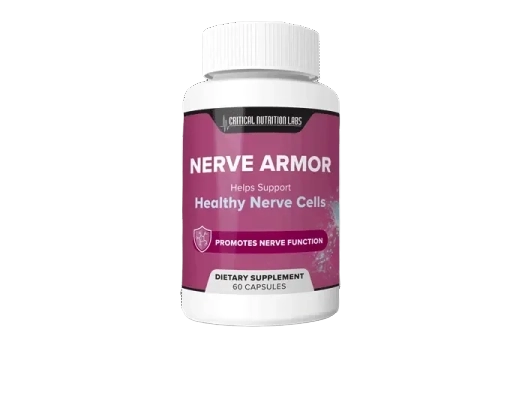
One such solution gaining recognition is NerveArmor. Designed by neurological health researchers, NerveArmor features a unique blend of ingredients specifically chosen for their roles in nerve regeneration, pain reduction, and antioxidant protection. It aims to provide comprehensive support for individuals seeking to naturally improve their nerve health and manage the discomfort of peripheral neuropathy.
By offering a concentrated dose of these vital nutrients, NerveArmor can help bridge the gap between dietary intake and the elevated needs of a compromised nervous system. It's a convenient and effective way to ensure your nerves are receiving the support they require to function optimally and potentially recover from damage.
The Benefits of a Natural Approach to Nerve Health
Embracing natural strategies for nerve health offers a multitude of advantages that extend beyond mere symptom management.
Reduced Pain and Discomfort
By addressing underlying inflammation, oxidative stress, and nutritional deficiencies, natural methods can significantly lessen the burning, tingling, and sharp pains associated with neuropathy. This leads to a noticeable improvement in daily comfort and quality of life.
Improved Nerve Function and Sensation
Key vitamins and lifestyle changes support nerve regeneration and improve nerve signal transmission. Many individuals report enhanced sensation, reduced numbness, and better coordination, restoring a greater sense of normalcy to their limbs.
Enhanced Mobility and Balance
When nerve function improves, so does muscle strength and proprioception (awareness of body position). This leads to better balance, reduced risk of falls, and greater ease in performing everyday activities, fostering independence.
Better Sleep Quality
Relief from chronic nerve pain and the calming effects of stress reduction techniques often translate into more restorative sleep. Improved sleep, in turn, supports the body's natural healing processes and overall nerve recovery.
Overall Well-being and Mood Improvement
Living with chronic pain can take a toll on mental health. As physical symptoms improve, so too does mood, energy levels, and psychological resilience. A holistic approach supports both physical and emotional health, leading to a more positive outlook.
Long-Term Nerve Protection
Natural strategies focus on creating an optimal internal environment, not just for symptom relief but for preventing further nerve damage. This proactive approach offers sustainable benefits, protecting nerve health for the long run.
Challenges of Managing Peripheral Neuropathy
Peripheral neuropathy presents unique challenges that can profoundly affect daily life and overall well-being.
Persistent Pain and Discomfort
One of the most debilitating aspects of neuropathy is the chronic, often agonizing pain, which can range from burning and tingling to sharp, shooting sensations. This persistent discomfort makes simple tasks challenging and can be mentally exhausting.
Mobility and Balance Issues
Nerve damage can lead to muscle weakness, numbness in the feet, and impaired proprioception, making walking, standing, and maintaining balance difficult. This increases the risk of falls and limits physical activity, impacting independence.
Sleep Disturbances
The relentless pain and discomfort, especially at night, often interfere with sleep. Poor sleep quality exacerbates pain sensitivity, fatigue, and can lead to a vicious cycle that further impairs nerve healing and overall health.
Emotional and Psychological Toll
Living with chronic pain and functional limitations can lead to significant emotional distress, including anxiety, depression, and feelings of isolation. The constant struggle can diminish quality of life and impact relationships.
Key Ingredients in NerveArmor for Comprehensive Support
NerveArmor is formulated with a carefully selected blend of ingredients, each chosen for its scientifically recognized role in supporting nerve health and alleviating neuropathic symptoms. This synergistic combination aims to provide comprehensive relief and long-term nerve protection.
B Vitamin Complex (B1, B6, B9, B12)
Essential for nerve signal transmission, myelin sheath formation, and energy production in nerve cells. Deficiencies are strongly linked to neuropathy. Benfotiamine (fat-soluble B1) is included for superior absorption and nerve protection.
Dose: Optimal daily dose
Alpha-Lipoic Acid (ALA)
A potent antioxidant that protects nerve cells from oxidative damage and inflammation. It improves blood flow to nerves and has been shown to reduce neuropathic pain, numbness, and burning sensations.
Dose: 300-600mg daily
Acetyl-L-Carnitine (ALC)
Supports mitochondrial function and energy production in nerve cells, crucial for nerve repair and regeneration. Promotes nerve fiber growth and improves nerve conduction velocity, reducing pain.
Dose: 500-1000mg daily
Turmeric (Curcumin)
A powerful natural anti-inflammatory agent. Curcumin, the active compound in turmeric, helps reduce systemic inflammation that contributes to nerve damage and pain. Enhanced with black pepper extract for better absorption.
Dose: 500mg+ daily
Lion's Mane Mushroom (Hericium erinaceus)
Known for its neurotrophic properties, stimulating the production of Nerve Growth Factor (NGF). NGF is vital for the growth, maintenance, and repair of neurons, offering potential for nerve regeneration.
Dose: 500-1000mg daily
Magnesium
A vital mineral involved in over 300 biochemical reactions, including nerve signal transmission and muscle relaxation. Helps calm overactive nerves and can reduce muscle cramps and spasms associated with neuropathy.
Dose: 200-400mg daily
Take the First Step Towards Better Nerve Health with NerveArmor
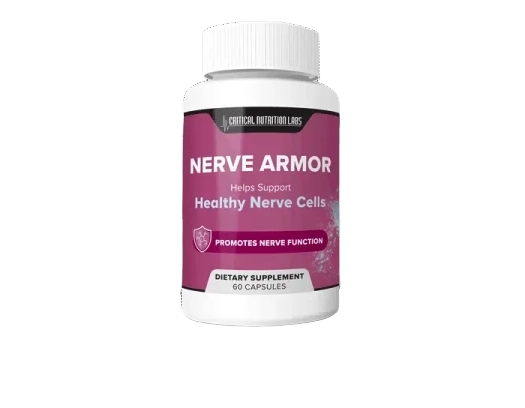
NerveArmor is a carefully formulated blend of clinically studied ingredients designed to support nerve function, reduce discomfort, and promote overall nervous system well-being. Don't let peripheral neuropathy dictate your life any longer. Empower your body with the nutrients it needs to thrive.
- ✓ Doctor-Formulated with Science-Backed Ingredients
- ✓ Natural & Non-GMO for Pure Support
- ✓ Manufactured in a GMP Certified Facility in the USA
- ✓ Designed to Reduce Pain, Numbness & Tingling
- ✓ Supports Nerve Regeneration & Protection




What Our Customers Say About NerveArmor
"After years of struggling with burning feet due to neuropathy, I finally found relief with NerveArmor. The tingling has significantly reduced, and I can sleep through the night again. It's been a game-changer!"
"I was skeptical, but my doctor recommended trying a natural supplement for my peripheral neuropathy. NerveArmor has truly made a difference. My hands feel less numb, and I have more dexterity. Highly recommend!"
"The constant pins and needles in my legs were driving me crazy. Since starting NerveArmor a few months ago, the symptoms have become much more manageable. I feel more energetic and less focused on the discomfort."
Frequently Asked Questions
What exactly is peripheral neuropathy?
+Peripheral neuropathy refers to damage to the peripheral nerves, which transmit information from the brain and spinal cord to the rest of the body. It can cause weakness, numbness, and pain, typically in the hands and feet. The condition can result from various factors, including diabetes, infections, genetic disorders, injuries, and exposure to toxins.
What are the most important vitamins for nerve health?
+Key vitamins crucial for nerve health include the B vitamins (B1, B6, B9, B12), especially B12 for myelin sheath integrity and B1 for nerve function. Alpha-Lipoic Acid (ALA) acts as a powerful antioxidant, while Vitamin D supports nerve growth and reduces inflammation. Magnesium is also vital for nerve signal transmission.
How do lifestyle changes contribute to improving nerve health?
+Lifestyle changes are foundational for nerve health. Regular exercise improves blood flow and nerve regeneration. A balanced, anti-inflammatory diet provides essential nutrients. Stress management techniques, adequate sleep, and avoiding neurotoxins like excessive alcohol and smoking are also critical. For many, especially those with diabetic neuropathy, strict blood sugar control is paramount.
Is NerveArmor a safe option for long-term nerve support?
+NerveArmor is formulated with a blend of natural, science-backed ingredients, generally recognized as safe when taken as directed. It is designed to be a gentle, long-term support option for nerve health. However, as with any supplement, it's always recommended to consult with your physician, especially if you have existing medical conditions or are taking other medications.
How quickly can one expect to see results from natural nerve health strategies?
+The timeline for seeing results from natural nerve health strategies can vary greatly depending on the individual, the severity of nerve damage, and consistency of application. Some individuals may notice subtle improvements in a few weeks, while for others, it may take several months to experience significant benefits. Consistency in diet, lifestyle, and supplementation is key.
Where is the best place to purchase NerveArmor?
+For authenticity and to ensure you receive the genuine product with the official money-back guarantee, NerveArmor should always be purchased directly from its official website. This also ensures access to any special offers or bundle discounts that may be available.
Related Articles