Are you seeking natural ways to fortify your nerve health and alleviate discomfort?
The intricate network of nerves throughout our body is vital for every sensation, movement, and thought. When this delicate system is compromised, particularly the protective nerve sheath and myelin, the impact can be profound, leading to conditions like peripheral neuropathy.
Maintaining the health of your nerve sheaths and supporting myelin integrity is not just about managing symptoms; it's about foundational neurological wellness. Nutritional science offers compelling insights into how specific vitamins and compounds can play a pivotal role in this crucial support.
The Silent Epidemic: Understanding Peripheral Neuropathy
Peripheral neuropathy is a condition that affects millions worldwide, often manifesting as a complex array of symptoms ranging from tingling and numbness to sharp, burning pain, and muscle weakness. It arises from damage to the peripheral nerves, which are the communication lines between your brain and spinal cord and the rest of your body, including your limbs, organs, and skin.
This damage can stem from various causes, including diabetes, autoimmune diseases, infections, injuries, exposure to toxins, certain medications, and crucially, nutritional deficiencies. The impact of peripheral neuropathy can significantly diminish one's quality of life, making everyday tasks challenging and leading to chronic discomfort. Understanding the root causes and the mechanisms of nerve damage is the first step toward effective management and support. Many people seek nerve health remedies that work, and often the solution involves addressing the underlying nutritional needs of the nervous system. Without proper support, the damage can progress, leading to more severe symptoms and long-term complications.
The intricate structure of a nerve fiber involves the axon, which transmits signals, and the myelin sheath, a fatty, insulating layer that surrounds the axon. Myelin acts much like the insulation around an electrical wire, ensuring that nerve impulses travel quickly and efficiently. When this myelin sheath is damaged, a process known as demyelination, the nerve signals can slow down, become scrambled, or even fail to transmit altogether. This disruption is a primary reason for many of the debilitating symptoms experienced by individuals with peripheral neuropathy. Therefore, supporting the integrity and health of the myelin sheath and the broader nerve sheath is paramount in managing and potentially reversing nerve damage.
💡 Key Takeaway
Peripheral neuropathy, a widespread condition, often results from damage to the peripheral nerves, particularly the protective myelin sheath. This damage disrupts nerve signal transmission, leading to pain, numbness, and weakness. Nutritional support is crucial for myelin health and overall nerve function.
The Vital Role of Myelin and Nerve Sheath Integrity
Imagine your nerves as a vast network of electrical cables. For these cables to transmit signals effectively, they need proper insulation. In the human body, this insulation is primarily provided by the myelin sheath, a specialized fatty layer that wraps around the axons of many nerve cells. This sheath allows nerve impulses to jump from one segment to the next, dramatically increasing the speed and efficiency of signal transmission. Without healthy myelin, nerve signals would be slow and prone to disruption, much like an uninsulated wire losing its electrical current.
Rapid Signal Transmission
Myelin enables saltatory conduction, where nerve impulses "jump" along the axon, dramatically increasing the speed of signal transmission. This is essential for quick reflexes, coordinated movements, and rapid processing of sensory information.
Nerve Protection and Insulation
Beyond speed, the myelin sheath provides crucial physical protection to the delicate nerve fibers. It insulates them from external damage and prevents electrical signals from leaking out or interfering with adjacent nerves, ensuring precise communication.
Support for Nerve Regeneration
A healthy nerve sheath environment is vital for nerve repair and regeneration. When nerve damage occurs, the presence of intact myelin and supporting cells can guide the regrowth of axons, facilitating recovery and restoring function.
Prevention of Neuropathic Symptoms
Maintaining strong myelin and nerve sheaths directly helps prevent the onset and progression of neuropathic symptoms like pain, tingling, numbness, and weakness. It ensures the nervous system can function optimally and resiliently.
Overall Neurological Health
The health of your myelin impacts everything from cognitive function to motor control. Supporting it contributes to overall neurological well-being, enhancing quality of life and preventing age-related decline in nerve function.
Nutritional Foundations for Robust Nerve Sheath and Myelin Health
While the body has natural repair mechanisms, these often require a steady supply of specific nutrients. Many cases of peripheral neuropathy are exacerbated, or even caused, by dietary deficiencies. Providing your body with the right building blocks is fundamental for maintaining, repairing, and protecting your nerve sheaths and myelin.
A balanced diet rich in whole foods, fruits, vegetables, and lean proteins is always the starting point. However, modern diets, aging, certain medical conditions, and medications can make it challenging to obtain sufficient amounts of every essential nutrient. This is where targeted nutritional support, through high-quality supplements, can play a transformative role in supporting nerve health and alleviating the symptoms of peripheral neuropathy. The focus is on providing the raw materials for myelin synthesis, reducing oxidative stress, and promoting healthy blood flow to the nerves.
Key nutrients act as cofactors in enzymatic reactions crucial for nerve function, protect nerve cells from damage, and directly contribute to the structural integrity of the myelin sheath. For example, B vitamins are intimately involved in energy production within nerve cells and the synthesis of neurotransmitters. Antioxidants combat free radical damage, which can be particularly destructive to delicate nerve tissues. Lipids and specific fatty acids are integral components of the myelin structure itself. Therefore, a comprehensive approach to nerve health must include a focus on these nutritional pillars.
Beyond direct structural support, certain nutrients also help manage inflammation, a significant contributor to nerve damage and pain. Chronic inflammation can degrade myelin and hinder nerve repair processes. By incorporating nutrients with anti-inflammatory properties, we can create a more conducive environment for nerve healing and reduce discomfort. This holistic view of nutritional support considers not just building blocks, but also the protective and regulatory elements essential for a thriving nervous system.
Key Nutritional Players for Optimal Nerve Function
When it comes to supporting nerve sheath and myelin health, certain vitamins, minerals, and compounds stand out due to their direct involvement in neurological processes. These are the unsung heroes working behind the scenes to keep your nerves firing optimally and protected from damage.
B Vitamins Complex
The B vitamins, particularly B1 (Thiamine), B6 (Pyridoxine), and B12 (Cobalamin), are absolutely critical for nerve health. They play roles in energy metabolism within nerve cells, neurotransmitter synthesis, and the formation and maintenance of the myelin sheath. Deficiencies in these vitamins are common and can directly lead to or worsen neuropathic symptoms.
Alpha-Lipoic Acid (ALA)
A powerful antioxidant, ALA is unique because it is both water and fat-soluble, allowing it to work throughout the body, including the brain and nervous system. It helps protect nerves from oxidative damage, improves blood flow to nerves, and has been extensively studied for its benefits in diabetic neuropathy, reducing pain, burning, and numbness.
Acetyl-L-Carnitine (ALC)
This amino acid derivative is vital for energy production in cells and has neuroprotective properties. ALC can help regenerate damaged nerve fibers, reduce neuropathic pain, and improve nerve conduction velocity. It also supports the synthesis of acetylcholine, an important neurotransmitter.
Vitamin D
Often recognized for bone health, Vitamin D also plays a significant role in nerve function and neuroprotection. Receptors for Vitamin D are found on nerve cells, and studies suggest it can support nerve regeneration and reduce inflammation, which is beneficial for those with neuropathy.
Benfotiamine
A lipid-soluble derivative of Vitamin B1, Benfotiamine is more bioavailable than standard thiamine. It effectively raises thiamine levels in the body, which is crucial for nerve cell metabolism and preventing the accumulation of toxic byproducts that can damage nerves, particularly in diabetic conditions.
Folic Acid (Vitamin B9)
Folic acid works synergistically with Vitamin B12 to support nerve health by facilitating methylation processes essential for nerve repair and neurotransmitter production. Adequate folic acid levels are important for preventing nerve damage and supporting overall neurological function.
Beyond Supplements: Lifestyle for Nerve Health
While nutritional supplements provide targeted support, they are most effective when integrated into a holistic approach to nerve health. Lifestyle choices play a crucial role in preventing nerve damage, supporting repair, and managing symptoms of peripheral neuropathy.
Balanced Diet: Focus on a diet rich in antioxidants, healthy fats (omega-3s), and whole grains. Reduce processed foods, excessive sugar, and unhealthy fats, which can contribute to inflammation and oxidative stress, both detrimental to nerve health. Incorporate plenty of colorful fruits and vegetables, lean proteins, and complex carbohydrates. Hydration is also key for overall cellular function, including nerve cells.
Regular Exercise: Physical activity improves blood flow to all parts of the body, including the nerves, which helps deliver essential nutrients and oxygen. Exercise can also help manage underlying conditions like diabetes, which are major causes of neuropathy. Activities like walking, swimming, cycling, and gentle yoga can improve strength, balance, and reduce nerve pain. Even light daily movement can make a significant difference. For more ideas on natural approaches, consider exploring how to improve nerve health naturally.
Blood Sugar Management: For individuals with diabetes, strict control of blood glucose levels is paramount. High blood sugar is a leading cause of nerve damage, and maintaining stable levels can prevent progression and sometimes even improve symptoms. Regular monitoring, dietary adjustments, and medication adherence are vital components of this management.
Avoid Toxins: Exposure to certain chemicals, heavy metals, and excessive alcohol consumption can be neurotoxic. Limiting or eliminating these exposures is crucial for protecting your nerves. If your job involves chemical exposure, ensure proper protective measures are in place. Quitting smoking is also highly beneficial, as smoking impairs circulation and can worsen nerve damage.
Stress Reduction: Chronic stress can impact overall health, including nerve health, by increasing inflammation and affecting circulation. Techniques such as meditation, deep breathing exercises, mindfulness, and spending time in nature can help manage stress levels and promote a calmer nervous system. Adequate sleep is also a powerful stress reducer and allows the body to repair and rejuvenate.
Regular Medical Check-ups: Ongoing communication with your healthcare provider is essential. Regular check-ups can help monitor your condition, adjust treatments as needed, and address any new symptoms promptly. They can also help identify and manage other underlying health issues that might contribute to neuropathy. Combining these lifestyle strategies with targeted nutritional support offers the most comprehensive pathway to nerve health and comfort.
Introducing NerveArmor: Targeted Support for Myelin & Nerve Sheath
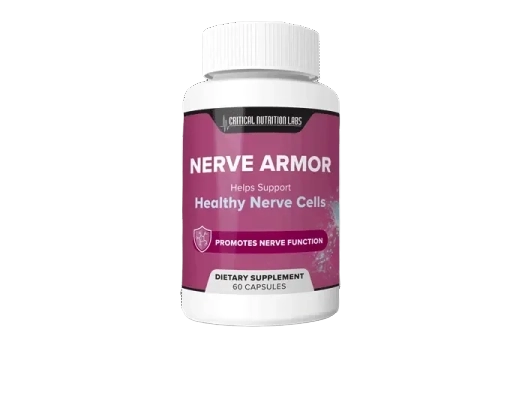
Recognizing the critical need for comprehensive nerve support, NerveArmor was formulated as a potent blend of vitamins, antioxidants, and neuro-nutrients designed to specifically target the health of your nerve sheaths and myelin.
Benfotiamine (Vitamin B1)
A lipid-soluble form of Vitamin B1, highly bioavailable. It helps prevent advanced glycation end products (AGEs) formation, which damage nerves, especially in diabetes. Essential for nerve cell metabolism and energy production.
Dose: Typical Dose: 150-300 mg
Methylcobalamin (Vitamin B12)
The active form of B12, crucial for myelin sheath formation and maintenance, nerve regeneration, and reducing nerve pain. A deficiency is a common cause of peripheral neuropathy.
Dose: Typical Dose: 1000-2500 mcg
Pyridoxine HCl (Vitamin B6)
Involved in neurotransmitter synthesis and nerve signal transmission. Essential for the proper functioning of the nervous system. NerveArmor uses a balanced dose to ensure efficacy without excess.
Dose: Typical Dose: 25-50 mg
Alpha-Lipoic Acid (ALA)
A powerful antioxidant that protects nerves from oxidative stress, improves nerve blood flow, and enhances nerve function. Widely studied for its benefits in reducing neuropathic symptoms like burning and tingling.
Dose: Typical Dose: 300-600 mg
Folic Acid (Vitamin B9)
Works synergistically with B12 to support nerve repair and methylation processes critical for nerve health. Essential for DNA synthesis and cell growth, including nerve cells.
Dose: Typical Dose: 400-800 mcg
Vitamin D
Supports nerve regeneration, reduces inflammation, and plays a role in neuroprotection. Many individuals with neuropathy have Vitamin D deficiencies, making supplementation crucial.
Dose: Typical Dose: 1000-5000 IU
Acetyl-L-Carnitine (ALC)
Supports mitochondrial function in nerve cells, promotes nerve fiber regeneration, and can reduce neuropathic pain. It also plays a role in synthesizing neurotransmitters.
Dose: Typical Dose: 500-1500 mg
Turmeric (Curcumin)
A potent anti-inflammatory and antioxidant, curcumin helps reduce nerve inflammation and oxidative stress, which are key contributors to nerve damage and pain. Enhances overall nerve protection.
Dose: Typical Dose: 250-500 mg (extract)
Magnesium
An essential mineral involved in over 300 biochemical reactions, including nerve impulse transmission and muscle relaxation. Magnesium deficiency can exacerbate nerve pain and muscle cramps associated with neuropathy.
Dose: Typical Dose: 200-400 mg
Experience the Targeted Support of NerveArmor Today
NerveArmor is more than just a supplement; it's a carefully crafted solution designed to provide comprehensive support for your nervous system. By combining scientifically-backed ingredients, NerveArmor aims to nourish your nerve sheaths, support myelin health, and alleviate the discomfort of peripheral neuropathy.
- ✓ Supports Myelin Sheath Integrity
- ✓ Promotes Healthy Nerve Function & Regeneration
- ✓ Helps Reduce Neuropathic Pain, Tingling, & Numbness
- ✓ Protects Nerves from Oxidative Damage
- ✓ Formulated with Clinically Studied Ingredients




Real People, Real Relief: NerveArmor Testimonials
"After years of struggling with burning feet and constant tingling, NerveArmor has been a game-changer. I feel a noticeable reduction in discomfort, and my sleep has improved dramatically. I finally feel like I'm regaining control over my life."
"I was skeptical at first, but the science behind NerveArmor made sense. Within two months, the numbness in my hands started to lessen, and I can now feel things I hadn't felt in years. This supplement truly supports nerve health."
"My doctor recommended looking into B vitamins for my neuropathy, and I found NerveArmor. The comprehensive blend is fantastic. I've experienced less sharp pain and generally feel more comfortable throughout the day. Highly recommend!"
Frequently Asked Questions
What is the importance of nerve sheath support and myelin for nerve health?
+The nerve sheath, particularly the myelin sheath, acts as a protective insulation around nerve fibers, similar to the coating on an electrical wire. Myelin is crucial for the rapid and efficient transmission of electrical signals (nerve impulses) throughout the nervous system. When the myelin sheath is damaged or compromised, nerve signals can slow down, become disrupted, or even fail, leading to symptoms like pain, tingling, numbness, weakness, and coordination problems, commonly seen in peripheral neuropathy. Supporting the health and integrity of these structures is fundamental for maintaining optimal nerve function, preventing further damage, and promoting nerve regeneration.
Can diet and supplements truly impact nerve health and myelin repair?
+Yes, absolutely. A growing body of scientific evidence indicates that specific nutrients play a vital role in nerve health, myelin formation, and repair processes. Vitamins like B1, B6, B12, and D, along with compounds such as Alpha-Lipoic Acid, Acetyl-L-Carnitine, and Benfotiamine, are essential cofactors in metabolic pathways critical for nerve cell function, neurotransmitter synthesis, and the maintenance of the myelin sheath. While a balanced diet is the foundation, targeted supplementation can help address deficiencies and provide concentrated doses of these crucial nutrients, especially for individuals experiencing or at risk of peripheral neuropathy.
What is Peripheral Neuropathy and how does it relate to myelin damage?
+Peripheral neuropathy is a condition resulting from damage to the peripheral nerves, which transmit information from the brain and spinal cord to the rest of the body. This damage can affect nerve fibers themselves or, very commonly, their protective myelin sheaths. Myelin damage (demyelination) is a hallmark of many forms of neuropathy, including diabetic neuropathy, leading to impaired nerve signal transmission. Symptoms often include numbness, tingling, burning pain, muscle weakness, and issues with coordination. Supporting myelin health is a key strategy in managing and potentially mitigating the progression of peripheral neuropathy.
How quickly can one expect to see results from nerve support supplements like NerveArmor?
+The timeline for experiencing results from nerve support supplements can vary significantly among individuals, depending on the severity and duration of their nerve damage, their overall health, and consistency of use. Nerve regeneration and myelin repair are gradual biological processes. While some individuals may notice subtle improvements in comfort or sensation within a few weeks, more significant and lasting benefits typically require consistent supplementation over several months (e.g., 3 to 6 months). It's important to maintain realistic expectations and consult with a healthcare professional for personalized advice.
Is NerveArmor suitable for long-term use?
+NerveArmor is formulated with a blend of vitamins, antioxidants, and nerve-supporting compounds that are generally recognized as safe for long-term use when taken as directed. The ingredients are natural and aim to provide sustained nutritional support for nerve health and myelin integrity. However, as with any supplement regimen, it's always advisable to consult with your physician before starting any new supplement, especially if you have pre-existing medical conditions or are taking other medications. Regular check-ups can help monitor your progress and ensure the supplement remains appropriate for your needs.
Are there any side effects associated with NerveArmor?
+NerveArmor is crafted with natural ingredients and is generally well-tolerated. Most users do not experience significant side effects. However, as with any dietary supplement, individual reactions can vary. Mild digestive upset (such as nausea or stomach discomfort) can occasionally occur, especially if taken on an empty stomach. If you experience any adverse reactions, it is recommended to discontinue use and consult your healthcare provider. Always adhere to the recommended dosage and review the full ingredient list to ensure you do not have allergies to any components.
Related Articles