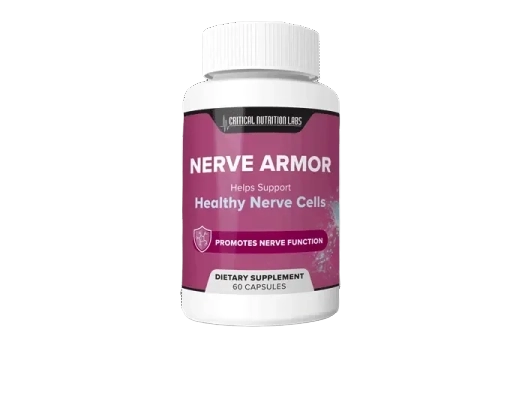
Are You Experiencing the Debilitating Effects of Peripheral Neuropathy?
Peripheral neuropathy, a condition affecting millions worldwide, manifests as weakness, numbness, and pain from nerve damage, often in the hands and feet. It can turn everyday tasks into agonizing challenges, profoundly impacting quality of life.
While conventional treatments offer some relief, a growing body of research highlights the critical role of specific vitamins and nutrients in supporting nerve health and promoting nerve damage recovery. Understanding these essential compounds can be a game-changer in managing and potentially reversing neuropathy symptoms.
Understanding Peripheral Neuropathy: A Silent Epidemic
Peripheral neuropathy is a complex condition characterized by damage to the peripheral nerves, which are responsible for transmitting signals between the brain, spinal cord, and the rest of the body. This damage can disrupt communication, leading to a wide range of symptoms.
The peripheral nervous system is a vast network, and when its delicate nerves are compromised, the consequences can be profound. Symptoms often begin subtly, presenting as a tingling sensation or numbness in the hands or feet, often described as "pins and needles." Over time, these sensations can intensify, progressing to sharp, burning, or throbbing pain, muscle weakness, and even loss of coordination. For many, the discomfort is constant, making sleep difficult and impacting daily activities, from walking to simply holding a pen. The exact presentation varies widely depending on which nerves are affected—sensory, motor, or autonomic.
Common causes of peripheral neuropathy include chronic conditions like diabetes, which accounts for a significant percentage of cases. Other contributing factors can be autoimmune diseases (such as lupus or rheumatoid arthritis), infections (like Lyme disease or shingles), injuries, exposure to toxins (heavy metals or industrial chemicals), certain medications (especially chemotherapy drugs), and, importantly, nutritional deficiencies. It's this last category where intervention with specific vitamins and nutrients can offer significant hope and support for nerve health and recovery.
Diagnosing peripheral neuropathy typically involves a detailed medical history, neurological examination, and sometimes nerve conduction studies or electromyography. Early diagnosis and intervention are crucial to prevent further nerve damage and manage symptoms effectively. While there's no single cure, managing underlying causes and providing targeted support for nerve repair are key strategies.
💡 Key Takeaway
Peripheral neuropathy, affecting millions, causes debilitating symptoms due to nerve damage. While causes are varied, nutritional deficiencies are a significant and often overlooked factor, highlighting the potential of targeted nutrients for support and recovery.
The Critical Role of Nutrition in Nerve Health and Repair
Our nerves, much like every other system in the body, rely heavily on a consistent supply of essential vitamins, minerals, and compounds to function optimally, protect themselves from damage, and even regenerate.
Imagine your nerves as intricate electrical wires. Just as wires need proper insulation and conductive materials to transmit signals efficiently, your nerves need specific nutrients to maintain their structure, transmit impulses, and repair any damage. A deficiency in even one crucial nutrient can compromise this delicate system, leading to impaired nerve function and heightened vulnerability to damage. For individuals battling peripheral neuropathy, identifying and addressing these nutritional gaps isn't just supplementary; it's foundational to promoting nerve damage recovery and symptom relief.
Research consistently demonstrates that certain micronutrients are indispensable for neurological health. They participate in processes ranging from the synthesis of myelin (the protective sheath around nerves) and neurotransmitters (chemical messengers) to antioxidant defense against oxidative stress and inflammatory responses. Without adequate levels of these "nerve armor vitamins," nerves can become inflamed, demyelinated, and ultimately dysfunctional, exacerbating the symptoms of neuropathy.
This understanding forms the basis for a nutritional approach to neuropathy management. By providing the body with the specific building blocks and protective agents it needs, we can create an environment conducive to nerve healing, reduce pain, and improve overall neurological function. This isn't about simply masking symptoms, but about addressing the underlying physiological needs of damaged nerves. For more insights on comprehensive nerve support, consider exploring our Nerve Defense and Repair Formula article.
The Best Vitamins and Nutrients for Nerve Damage Recovery
While a balanced diet is always the first line of defense, individuals with peripheral neuropathy often require targeted supplementation to achieve therapeutic levels of specific nutrients vital for nerve repair and protection. Here are the key players:
1. The B Vitamin Complex: The Foundation of Nerve Health
The B vitamins are a group of water-soluble vitamins that are absolutely critical for nerve function and overall neurological health. Their roles are interconnected and vital for nerve signal transmission, energy production in nerve cells, and the maintenance of myelin sheaths. Deficiencies in several B vitamins are strongly linked to various forms of neuropathy.
- Vitamin B1 (Thiamine): Essential for glucose metabolism, providing energy to nerve cells. Thiamine deficiency, common in alcoholics and diabetics, can lead to severe nerve damage. Benfotiamine, a lipid-soluble derivative, is often preferred for its superior bioavailability and ability to penetrate nerve cells more effectively. It helps protect nerves from high blood sugar damage.
- Vitamin B6 (Pyridoxine): Involved in the synthesis of neurotransmitters and the formation of myelin. While crucial, excessive intake of B6 can also cause neuropathy, so a balanced dose is important. It's vital for healthy nerve signaling.
- Vitamin B9 (Folate/Folic Acid): Necessary for DNA synthesis and repair, and for the production of red blood cells. Folate deficiency can contribute to nerve damage. L-Methylfolate, the active form of folate, is more readily used by the body, especially for those with MTHFR gene mutations.
- Vitamin B12 (Cobalamin): Perhaps the most well-known nerve vitamin. B12 is indispensable for the formation and maintenance of the myelin sheath, which insulates nerves and ensures rapid signal transmission. Deficiency can lead to severe demyelination and irreversible nerve damage, mimicking neuropathy symptoms like numbness, tingling, and weakness. Methylcobalamin, an active form, is highly bioavailable and preferred for nerve support.
2. Alpha-Lipoic Acid (ALA): The Universal Antioxidant
Alpha-lipoic acid is a powerful antioxidant that is both fat- and water-soluble, allowing it to work throughout the body, including the nervous system. It’s particularly celebrated for its role in mitigating diabetic neuropathy.
ALA helps by improving blood flow to the nerves, reducing oxidative stress, and enhancing glucose utilization. Studies have shown that ALA can significantly reduce symptoms like pain, burning, numbness, and tingling associated with neuropathy. It also aids in regenerating other antioxidants, like Vitamin C and E, further boosting the body's protective mechanisms. Its ability to cross the blood-brain barrier makes it a potent neuroprotective agent, supporting overall nerve damage recovery.
3. Acetyl-L-Carnitine (ALC): Fueling Nerve Regeneration
Acetyl-L-Carnitine is an amino acid derivative naturally produced in the body. It plays a crucial role in energy production within mitochondria, the powerhouses of cells, including nerve cells. ALC has demonstrated significant neuroprotective and neurotrophic (nerve growth-promoting) properties.
It supports the regeneration of nerve fibers, improves nerve conduction velocity, and helps reduce neuropathic pain. ALC also has antioxidant effects and can help repair damaged nerve cell membranes, making it an invaluable nutrient for those seeking to enhance their nerve sheath support supplement regimen. Many individuals report reduced pain and improved sensory function with consistent ALC supplementation.
4. Vitamin D: Beyond Bone Health
Often recognized for its role in bone health, Vitamin D's importance extends far beyond. It functions more like a hormone, with receptors found on many tissues, including nerve cells. A significant portion of the population is deficient in Vitamin D, and research has linked low levels to increased risk and severity of peripheral neuropathy.
Vitamin D supports nerve growth, repair processes, and has potent anti-inflammatory and immunomodulatory effects that can benefit nerve health. Supplementation can help reduce neuropathic pain and improve nerve function, particularly in individuals with documented deficiencies.
5. Magnesium: The Nerve Calmer
Magnesium is an essential mineral involved in over 300 biochemical reactions in the body, many of which are critical for nerve and muscle function. It plays a vital role in nerve signal transmission, muscle contraction and relaxation, and energy production.
Magnesium deficiency can lead to nerve excitability, muscle cramps, and increased neuropathic pain. Adequate magnesium levels can help calm overactive nerves, reduce muscle spasms, and improve overall nerve function. It also contributes to the regulation of calcium, another important mineral for nerve impulses.
6. Curcumin: Nature's Anti-Inflammatory
Derived from the turmeric root, curcumin is a powerful natural compound with well-documented anti-inflammatory and antioxidant properties. Chronic inflammation and oxidative stress are major contributors to nerve damage in neuropathy.
Curcumin can help reduce inflammation, protect nerve cells from free radical damage, and may even support nerve regeneration. Its neuroprotective effects make it a promising natural compound for managing neuropathic symptoms and promoting healing. However, its bioavailability can be low, so formulations with enhanced absorption (like those with piperine) are often preferred.
7. Omega-3 Fatty Acids: Building Blocks for Nerve Membranes
Found abundantly in fish oil, EPA and DHA (eicosapentaenoic acid and docosahexaenoic acid) are essential omega-3 fatty acids. They are critical components of nerve cell membranes and possess strong anti-inflammatory properties.
Omega-3s can help reduce systemic inflammation that contributes to nerve damage and may promote nerve regeneration. They are vital for maintaining the structural integrity and fluidity of nerve cell membranes, which is essential for efficient nerve signaling.
💡 Key Takeaway
A targeted approach to nutrition, focusing on B vitamins, Alpha-Lipoic Acid, Acetyl-L-Carnitine, Vitamin D, Magnesium, Curcumin, and Omega-3s, is fundamental for supporting nerve health, reducing inflammation, and promoting nerve damage recovery in peripheral neuropathy.
Beyond Supplements: Lifestyle Factors for Optimal Nerve Health
While specific nutrients are crucial, a holistic approach combining supplementation with healthy lifestyle choices provides the most robust support for nerve damage recovery and overall well-being.
Balanced, Whole-Food Diet
Prioritize nutrient-dense foods: lean proteins, whole grains, fruits, and a rainbow of vegetables. Minimize processed foods, refined sugars, and unhealthy fats, which can exacerbate inflammation and contribute to nerve damage. A diet rich in antioxidants helps protect nerves.
Regular Physical Activity
Exercise improves blood flow to the nerves, helps manage blood sugar levels (crucial for diabetics), and can reduce neuropathic pain. Activities like walking, swimming, cycling, and gentle yoga can strengthen muscles, improve balance, and stimulate nerve growth factors.
Blood Sugar Management
For those with diabetes, strict control of blood glucose levels is paramount. High blood sugar is a leading cause of nerve damage. Working closely with your doctor to manage diabetes effectively can prevent further progression of neuropathy.
Stress Reduction Techniques
Chronic stress can worsen pain perception and inflammation. Incorporate stress-reducing practices such as meditation, deep breathing exercises, mindfulness, or engaging in hobbies. Adequate sleep is also vital for nerve repair and overall health.
Avoidance of Toxins
Limit exposure to alcohol, tobacco, and environmental toxins (e.g., heavy metals, pesticides) that can be neurotoxic. Quitting smoking and reducing alcohol intake can significantly improve nerve health and aid in recovery.
Consult with Healthcare Professionals
Always work with your doctor or a neurologist to develop a comprehensive treatment plan. This ensures that any underlying medical conditions are addressed and that your supplement regimen is safe and appropriate for your specific needs.
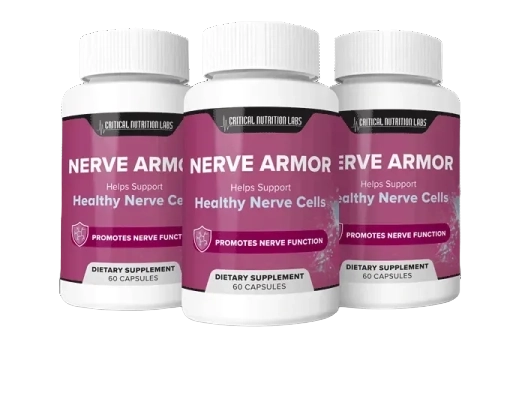
NerveArmor: A Targeted Solution for Nerve Damage Recovery
Understanding the profound impact of specific nutrients on nerve health, NerveArmor has been developed as a specialized supplement designed to provide comprehensive support for individuals seeking relief from peripheral neuropathy symptoms and promoting nerve damage recovery.
NerveArmor brings together a synergistic blend of the most impactful vitamins, minerals, and compounds, carefully selected based on extensive scientific research into their neuroprotective and regenerative properties. Our formula aims to address the common nutritional deficiencies and oxidative stress that often underlie nerve damage, offering a targeted approach to support your body's natural healing mechanisms. It’s more than just a vitamin; it’s a dedicated best nerve health supplement designed for tangible results.
Science-Backed Ingredients for Optimal Nerve Support
NerveArmor is formulated using clinically studied ingredients known for their efficacy in promoting nerve health, reducing inflammation, and supporting regeneration. This includes highly bioavailable forms of B vitamins, powerful antioxidants like Alpha-Lipoic Acid, and neuro-supportive compounds such as Acetyl-L-Carnitine.
Dose: Optimized for absorption and effect
The NerveArmor Comprehensive Blend
Our unique blend is crafted to deliver a multi-faceted approach to nerve damage recovery. It works to nourish nerve cells, protect against oxidative stress, enhance nerve signal transmission, and support the integrity of the myelin sheath. Each ingredient is dosed for maximum therapeutic benefit.
Dose: Synergistic blend for holistic nerve care
Experience the NerveArmor Difference Today
Don't let peripheral neuropathy dictate your life. NerveArmor offers a powerful, natural solution to support nerve health and accelerate recovery. Our carefully crafted formula provides the essential nutrients your nerves need to heal and thrive.
- ✓ Supports Nerve Regeneration & Repair
- ✓ Reduces Neuropathic Pain, Numbness & Tingling
- ✓ Protects Nerves from Oxidative Damage
- ✓ Enhances Nerve Signal Transmission
- ✓ All-Natural, Non-GMO & GMP Certified




What Our Customers Are Saying
"I've struggled with diabetic neuropathy for years, and nothing seemed to help the burning pain in my feet. After just a few weeks of NerveArmor, I noticed a significant reduction in discomfort. I can finally sleep through the night!"
"The tingling in my hands was making everyday tasks impossible. My doctor suggested looking into nerve-supporting nutrients, and I found NerveArmor. The difference is remarkable; I have much more sensation and less numbness now."
"I was skeptical at first, but the reviews convinced me to try NerveArmor for my peripheral neuropathy. My balance has improved, and the sharp pains I used to get are much less frequent. This supplement has truly given me hope."
Frequently Asked Questions
What is peripheral neuropathy and what causes it?
+Peripheral neuropathy is a condition resulting from damage to the peripheral nerves, which transmit information from the brain and spinal cord to the rest of the body. Causes are diverse, including diabetes, vitamin deficiencies, autoimmune diseases, infections, injuries, certain medications, and exposure to toxins. Symptoms often include numbness, tingling, pain, and muscle weakness, typically in the hands and feet.
Can diet and nutrition truly impact nerve damage and recovery?
+Absolutely. A substantial body of scientific evidence indicates that specific vitamins, minerals, and other nutrients play a critical role in nerve function, repair, and protection. Deficiencies in key nutrients, such as B vitamins, vitamin D, and magnesium, are frequently linked to the development or worsening of peripheral neuropathy. Supplementation, alongside a balanced diet, can significantly support nerve health and aid in recovery.
Which vitamins are most important for nerve health and repair?
+Several vitamins are crucial for nerve health. The B vitamin complex (especially B1, B6, B9, and B12) is paramount for nerve regeneration, myelin sheath integrity, and neurotransmitter synthesis. Vitamin D plays a role in nerve growth and anti-inflammatory processes, while Vitamin E acts as an antioxidant protecting nerve cells from damage. These vitamins work synergistically to maintain optimal nerve function.
How do alpha-lipoic acid and acetyl-L-carnitine support nerve recovery?
+Alpha-lipoic acid (ALA) is a potent antioxidant that improves blood flow to nerves, reduces oxidative stress, and can help regenerate damaged nerve fibers, particularly beneficial in diabetic neuropathy. Acetyl-L-carnitine (ALC) supports mitochondrial function within nerve cells, promotes nerve growth factor production, and has been shown to reduce neuropathic pain and improve nerve regeneration.
Is NerveArmor a complete solution for neuropathy?
+NerveArmor is formulated with a comprehensive blend of science-backed vitamins, minerals, and compounds specifically chosen for their roles in supporting nerve health, reducing inflammation, and promoting nerve damage recovery. While it is designed to be a powerful aid, it should be considered part of a holistic approach that includes a healthy diet, regular exercise, and consultation with your healthcare provider for personalized medical advice and treatment.
Are there any side effects to taking nerve support supplements like NerveArmor?
+NerveArmor is made with natural ingredients and generally well-tolerated. However, as with any supplement, individual reactions can vary. It's always recommended to consult with your doctor before starting any new supplement regimen, especially if you have existing medical conditions, are pregnant or nursing, or are taking other medications. Always adhere to the recommended dosage.
Related Articles